
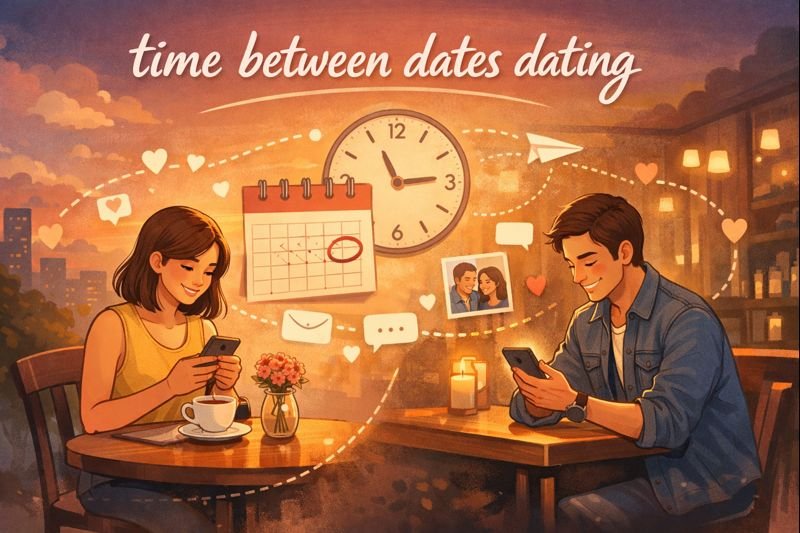
The time between dates dating is one of those topics everyone thinks about but few people feel confident discussing openly.
After a first date questions tend to arrive quickly. Modern dating has made timing more visible and more confusing at the same time.
With messaging apps read receipts and constant online presence the space between dates feels louder than it used to.
Understanding how that time works and how it affects attraction comfort and trust can help people date with more clarity and less anxiety.
This guide explores the time between dates dating from every angle. It looks at emotional pacing psychology communication styles real world schedules and genuine user experiences.
There is no rigid rulebook here but there are patterns that consistently show what works and what creates distance.
Why the Time Between Dates Matters More Than People Admit
The space between dates is not empty time. It is where impressions settle and feelings either grow or fade.
After a date people replay conversations interpret small moments and decide whether they want to invest more energy.
When the gap is handled well anticipation builds naturally. When it feels uncertain or confusing doubt can take over even if the date itself was good. This is why the time between dates dating has such a strong influence on early connections.
Timing also communicates interest. Even without words the speed or silence between dates sends signals.
A quick follow up often reads as enthusiasm. A long gap without explanation may be interpreted as disinterest even if that was never the intention.
Dating Has Changed and So Has Timing
Traditional dating followed slower and more predictable patterns. People met through social circles workplaces or family connections. Communication options were limited and waiting was normal.
Today dating happens alongside busy lives and constant digital interaction. People can message instantly check profiles and see online activity. This makes waiting feel more intentional even when it is not.
The time between dates dating now carries more emotional weight because people are more aware of each other’s availability. The time between dates dating is no longer just empty space even a small delay is often analyzed instead of simply accepted.
There Is No Universal Rule But There Are Healthy Ranges
One of the biggest myths around dating is that there is a perfect number of days to wait between dates.
In reality healthy timing depends on context. For many people hearing from someone within twenty four hours after a first date feels reassuring. It confirms mutual interest without pressure.
This does not have to mean scheduling the next date immediately. A simple message acknowledging the experience is often enough.
A second date commonly happens within three to seven days when interest is mutual and schedules allow.
This range keeps momentum while allowing both people space to reflect. Longer gaps are not automatically bad especially when explained clearly.
Travel work deadlines or family responsibilities are part of adult life. The problem usually arises when silence is combined with uncertainty.
Emotional Pacing and Why It Differs From Person to Person
Some people feel comfortable building connection quickly. Others need time to process emotions before moving forward. Neither approach is wrong. The time between dates dating often reflects emotional pacing more than attraction levels.
Someone who waits longer may be cautious not uninterested. Someone who reaches out quickly may value openness not urgency.
Problems appear when two people have very different pacing styles and do not communicate about it.
The time between dates dating can create tension when one person feels ignored while the other feels pressured even if both are acting naturally.
Handling the time between dates dating well requires understanding pacing and communicating openly.
Communication During the Gap Between Dates
What happens between dates matters just as much as the length of the gap. Light and consistent communication can maintain connection without replacing in person interaction. Short messages or shared observations help keep continuity.
Referencing something from the date also strengthens the bond. Silence especially after a strong date can create unnecessary doubt. At the same time constant messaging may give a false sense of intimacy.
It can outpace real world connection and create pressure. Balance is key to maintaining interest and comfort.
The time between dates works best when communication builds anticipation rather than exhausting it.
Psychological Effects of Waiting Between Dates
Psychology plays a quiet but powerful role in dating timing. Anticipation can increase attraction when it feels mutual and secure. Uncertainty on the other hand can raise anxiety if interest feels unclear.
Studies on attachment styles show that people with anxious tendencies often struggle with long gaps.
Those with avoidant tendencies may prefer more space between dates. Understanding this explains why timing feels comfortable for some and stressful for others.
The goal is not to manipulate desire by waiting longer or responding slower. Healthy attraction grows from consistency and emotional safety. It is built on trust and connection not guessing games.
How Long Is Too Long Between Dates
There is no fixed cutoff but patterns do emerge. When weeks pass without planning another date and communication becomes minimal interest often fades.
Long gaps without explanation tend to weaken momentum especially in early dating. This does not mean relationships cannot recover but it becomes harder to rebuild the initial spark.
The time between dates should generally feel intentional rather than accidental. Even if the next date cannot happen soon expressing that clearly keeps the connection intact.
Scheduling Challenges in Real Life Dating
Work schedules family responsibilities and personal commitments often influence the time between dates dating more than feelings do.
Many adults genuinely like someone but struggle to align calendars for the next meeting. This is where clarity becomes essential.
Saying you are interested but busy feels very different from disappearing without explanation. How you communicate about timing often matters more than the actual gap itself. People who are open about availability create trust and reduce uncertainty.
The time between dates dating becomes less stressful when both parties understand each other’s schedules. Expressing intentions clearly helps maintain momentum and emotional connection.
Managing the time between dates dating thoughtfully ensures that interest stays strong without unnecessary tension.
Cultural and Social Influences on Dating Timing
Cultural expectations strongly shape how people interpret timing in dating. In some cultures frequent contact is seen as a sign of respect and genuine interest. In others taking time and showing patience is valued more highly.
Social media adds another layer of complexity to timing. Seeing someone active online but not responding can create mixed signals.
This behavior does not always reflect their true intentions or interest. Perception however strongly influences emotion and reactions.
Understanding that timing is filtered through personal and cultural lenses helps avoid misunderstandings.
Being aware of these differences makes navigating the time between dates dating much smoother and less stressful.
Second Dates and Building Momentum
The transition from the first to the second date is where timing becomes most important. The first date tests chemistry and sparks initial interest. The second date focuses on building trust and deeper connection.
Many people feel that planning a second date within a week is natural and reassuring. Waiting longer can still work but it requires clear and thoughtful communication. Scheduling the next date thoughtfully shows interest without pressure.
The time between dates dating at this stage plays a key role in maintaining curiosity. It should foster anticipation rather than create confusion or doubt. Handled well the time between dates dating strengthens the connection and excitement for what comes next.
Later Stages of Dating and Evolving Timing
As dating progresses the importance of strict timing often becomes more flexible. People begin to understand and adapt to each other’s rhythms and expectations. Communication and comfort replace the uncertainty that existed in the early stages.
Longer gaps between dates may start to feel completely normal once trust is established. The sensitivity around timing that felt so intense at first gradually fades. Couples begin to focus more on quality interaction than on the exact schedule.
This is why early dating requires more attention to the time between dates dating than later stages.
At the beginning the foundation of trust connection and mutual understanding is still forming. Once that foundation is solid the time between dates dating becomes easier to manage naturally.
Common Mistakes People Make With Dating Timing
One common mistake is using silence as a strategy in dating. Deliberately waiting to seem less interested often backfires. Showing genuine interest in a calm and thoughtful way is usually more attractive.
Another frequent mistake is overanalyzing response times. Life gets busy and delayed replies do not always indicate a lack of interest. Overthinking every pause can create unnecessary stress for both people.
The time between dates dating works best when it is guided by honesty. Authentic communication builds trust and keeps connections strong. Focusing on honesty rather than tactics ensures the timing supports attraction instead of undermining it.
What Real People Say About Time Between Dates
Many daters share similar experiences when asked about timing.One user shared that hearing from someone the next day made her feel relaxed and excited. She said it removed the pressure of guessing and allowed her to enjoy the connection.
Another person mentioned that a week of silence after a great date made him assume disinterest even though the other person later explained they were overwhelmed with work. Several users noted that clear communication mattered more than speed.
When Slower Timing Can Actually Help
Slower pacing is not always negative. Some connections benefit from space especially when emotions feel intense early on.
Taking time between dates can allow people to reflect and avoid rushing into expectations. It can also prevent burnout from seeing each other too often too soon.
The key difference is whether the slower pace is mutual and communicated. When both people understand the rhythm it often strengthens rather than weakens attraction.
Dating Apps and the Pressure of Constant Availability
Dating apps often create the illusion that everyone is always available. This can increase pressure around response times and scheduling. People may feel rejected if someone takes longer to reply even when genuine interest exists.
It’s easy to misinterpret delays as disinterest in the digital age. Understanding this dynamic helps reduce unnecessary stress and anxiety. Not every pause or delayed message carries a hidden meaning.
The time between dates dating is influenced by perception as much as reality. Recognizing that life and schedules affect timing makes interactions smoother. Keeping this perspective helps the time between dates dating remain relaxed and authentic.
Trusting Your Instincts About Timing
While advice can be helpful personal comfort matters most in dating. If the timing consistently feels off it is important to pay attention. Healthy dating timing should feel calm and reassuring, not confusing or stressful.
Occasional uncertainty is normal especially early on. However constant anxiety often signals a mismatch in expectations or pacing. Trusting your instincts is key to navigating timing effectively.
This does not mean overreacting to small delays or pauses. It means noticing patterns and responding thoughtfully to maintain connection.
Listening to your feelings helps ensure the time between dates dating supports growth and comfort.
How to Talk About Timing Without Awkwardness
Discussing timing in dating does not have to feel heavy or awkward. Simple statements about availability or preferred pacing can prevent misunderstandings. Being open about your schedule helps set clear expectations from the start.
Saying you enjoy taking things slowly or prefer steady communication is effective. Most people value honesty more than having to guess someone’s intentions. Clear conversations reduce confusion and build trust between both parties.
Expressing preferences early makes the dating experience smoother and more comfortable. The time between dates dating becomes easier to navigate with transparency. Open communication ensures that both sides feel respected and understood.
Final Thoughts
The time between dates dating is less about counting days and more about building emotional safety.
Timing communicates interest respect and reliability often without words. There is no perfect schedule that fits everyone and the time between dates dating varies with each connection.
What matters most is alignment clarity and genuine intention. When the time between dates dating supports connection instead of creating confusion dating feels lighter and more enjoyable. Paying attention to how space is handled turns uncertainty into anticipation.
It also helps first impressions grow into something meaningful and lasting. Clear communication during this time reduces misunderstandings and strengthens trust.
Managing the time between dates dating thoughtfully ensures a smoother more confident dating experience.
FAQs
How long should I wait before contacting after a first date?
A message within 24 hours is usually reassuring but it depends on schedules and comfort levels.
Is it bad to wait several days before a second date?
Not necessarily longer gaps are fine if intentions are communicated and interest remains clear.
Can too much messaging hurt early dating?
Yes constant messages can create false intimacy balance keeps interest and anticipation alive.
What if our timing preferences differ?
Open communication about pacing helps prevent misunderstandings and reduces tension.
Does culture affect dating timing?
Yes some cultures value frequent contact while others appreciate patience and space.
How do dating apps influence timing?
They can create pressure to respond quickly but delays often have no hidden meaning and should be interpreted carefully.