
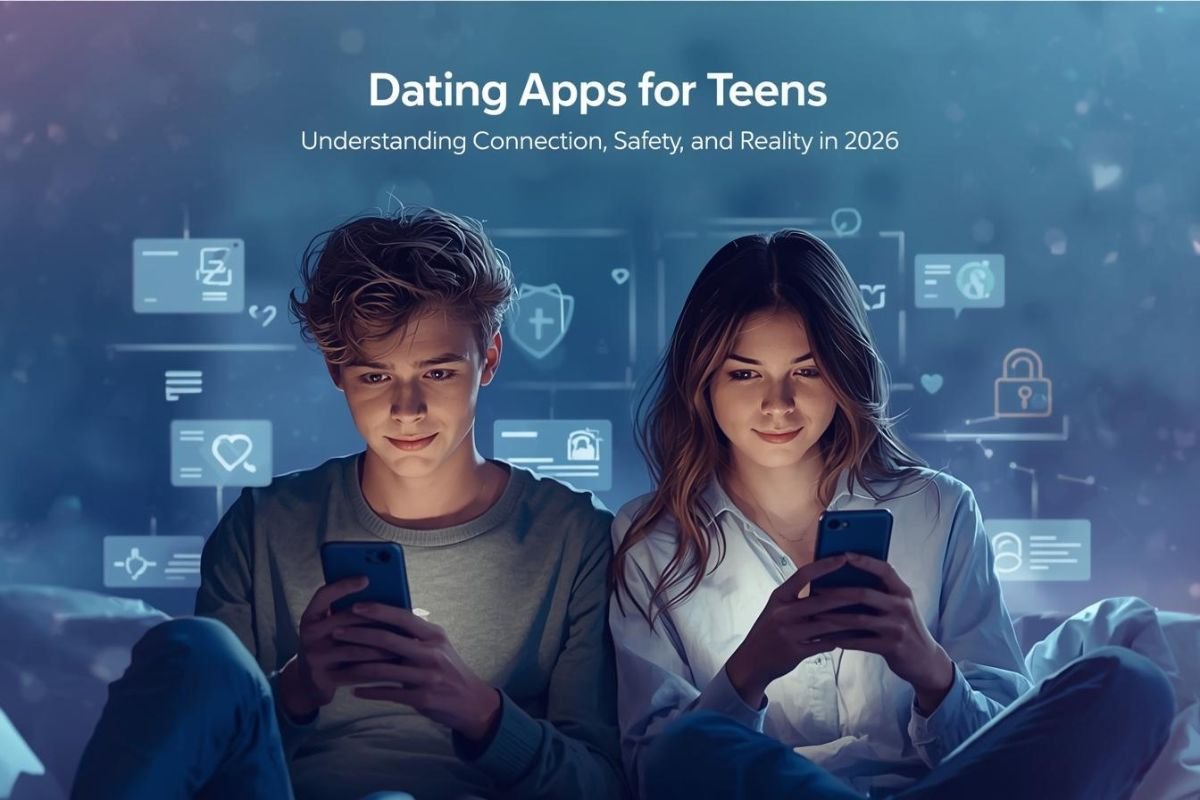
The topic of dating apps for teens has become one of the most discussed and misunderstood issues in the digital age.
As smartphones, social media, and messaging platforms continue to shape daily life, the way teenagers form friendships and explore early romantic connections has changed.
For many young people, online interaction is no longer optional. It is central to how they communicate and connect.
In recent years, technology has blurred the line between social networking and dating. While traditional dating apps for teens do not officially exist, teenagers still find ways to meet and interact online.
By 2026, the conversation around dating apps for teens has shifted from simple curiosity to serious discussions about safety, emotional readiness, and digital responsibility.
The Digital Shift in Teen Relationships
Teen relationships have always reflected the social environment of their time. In earlier generations, most connections happened at school, in neighborhoods, or through shared activities. Today, digital platforms have taken on that role.
Smartphones are now the main communication tool for teens. Messaging apps, video chats, and algorithm-driven discovery features make it easier to meet new people quickly.
This digital shift has altered the way teen relationships form and how quickly emotional connections can develop.
As a result, discussions around dating apps for teens often focus on whether teens are emotionally prepared for these rapid interactions.
Why Traditional Dating Apps for Teens Do Not Exist
Mainstream platforms like Tinder, Bumble, and Hinge are restricted to users aged 18 and older. These age limits are intentional.
These platforms are designed for adults and include features, conversations, and expectations that are not suitable for minors.
When teens try to bypass age restrictions, they expose themselves to serious risks. Adult dating apps are not built with teen safety in mind.
This is why experts strongly agree that traditional dating apps for teens are not appropriate under any circumstances.
This is why discussions around teen online connections focus on alternatives rather than traditional dating apps.
The Rise of Teen Social Discovery Apps
Instead of true dating platforms, a new category of apps has emerged that focuses on friendship and shared interests.
These apps are often described as dating apps for teens, even though they are technically social discovery platforms.
Apps like Yubo, Wizz, and Spotafriend are designed to help teens connect with others in the same age range.
While romantic interest can develop naturally, the main goal is social interaction, not adult-style dating.
These platforms attempt to fill the gap created by the absence of official dating apps for teens.
These platforms reflect an attempt to adapt to teen behavior while acknowledging legal and developmental boundaries.
How Teen-Focused Apps Differ from Adult Dating Apps
Teen-focused platforms operate under stricter guidelines than adult dating apps. Age separation is a core feature, helping prevent contact between minors and adults.
Moderation is also more aggressive. Many teen social apps use AI monitoring combined with human review teams to watch for harmful behavior.
This level of oversight is one reason these platforms are considered safer alternatives to adult dating apps for teens, though no system is perfect.
Safety Features in Dating Apps for Teens in 2026
By 2026, safety technology will have improved significantly. Age verification tools now use facial analysis and document checks to reduce fake profiles. Image protection features automatically blur sensitive content.
In-app messaging and calling allow teens to communicate without sharing personal phone numbers.
Location privacy has also improved, with exact locations hidden to reduce real-world risks. These features are essential in any platform described as a dating app for teens.
The Reality of Teen Online Dating Behavior
Despite the discussion around dating apps for teens, most teen relationships do not begin on dedicated apps. Social media platforms like Snapchat, Instagram, TikTok, and Discord function as informal dating spaces.
Teens often meet through mutual friends, shared interests, or online communities. Because these platforms are not designed as dating apps for teens, they often lack consistent safety structures, which increases risk.
Emotional Vulnerability and Online Pressure
Teen years are a time of emotional growth and identity exploration. Online environments can intensify feelings of excitement, validation, and rejection.
Swipe-style interactions and follower counts can encourage appearance-based judgment. This pressure is often linked to discussions about dating apps for teens and their impact on self-esteem and mental health.
Real Teen Experiences with Online Connections
Many teens describe social discovery apps as exciting at first. Meeting new people online can feel empowering, especially for those who struggle socially offline.
Others report disappointment. Conversations fade quickly, and ghosting is common. These mixed experiences show that even platforms similar to dating apps for teens can create emotional highs and lows.
The Risk of Predatory Behavior
One of the most serious concerns related to dating apps for teens is online grooming. Predators may pretend to be teenagers and slowly build trust through manipulation.
These risks exist across all platforms, including those designed for teens. Awareness and education remain critical for prevention.
Sextortion and Legal Consequences
Sextortion is a growing issue affecting teens online. It often starts when a teen is pressured into sharing a private image.
Many teens do not realize that creating or sharing explicit images as a minor can carry legal consequences. This reality makes education around dating apps for teens and online safety especially important.
Privacy and Oversharing Online
Teens often share more personal information than they realize. Small details like school names, routines, and locations can add up.
Even platforms that promote disappearing messages cannot guarantee privacy. Understanding digital footprints is essential when discussing dating apps for teens and social media safety.
The Role of Parents and Guardians
Parents play a key role in teen online safety. Open conversations work better than strict control.
When parents understand how dating apps for teens and social platforms work, they can guide teens toward safer decisions without creating fear or secrecy.
Teaching Healthy Digital Relationship Skills
Respect, consent, and boundaries apply online just as they do offline. Teens need guidance on recognizing manipulation and knowing when to disengage.
These skills are critical for navigating dating apps for teens, social media, and all digital spaces.
When Online Connections Become Offline Meetings
Meeting in person should always involve safety planning. Public locations, shared plans, and adult awareness are essential.
Any connection formed through dating apps for teens or social platforms should respect safety boundaries without pressure.
Are Dating Apps for Teens Truly Safe?
No platform can guarantee complete safety. Teen-focused apps offer more protection than adult dating apps, but risks still exist.
Safety depends on technology, education, parental support, and personal judgment. Awareness remains the strongest defense when using dating apps for teens.
The Future of Dating Apps for Teens
Teen-focused platforms are expected to continue evolving. Stronger verification, better moderation, and collaboration with child safety organizations are likely.
There is also a growing focus on slowing interactions and encouraging meaningful connections rather than rapid swiping. This reflects a deeper understanding of teen development.
Making Informed Choices Online
Teens do not need to avoid digital connections completely. Informed participation allows them to enjoy social benefits while reducing risk.
Choosing platforms carefully, using privacy tools, and trusting instincts are essential when navigating dating apps for teens and online social spaces.
Conclusion
The discussion around dating apps for teens highlights both the desire for connection and the need for responsibility in a digital world.
While traditional dating apps remain unsuitable for minors, teen-focused social discovery platforms and social media continue to shape modern teen relationships.
With education, awareness, and open communication, teens can explore online connections more safely.
When technology, parents, and teens work together, digital spaces can support healthy growth instead of creating harm.
Ultimately, technology should support healthy growth, not create risks. With the right guidance and awareness, teens can explore digital spaces confidently and responsibly.
FAQs
Are there real dating apps made specifically for teens?
Traditional dating apps are 18+, but some social discovery apps allow teens to connect with peers in a more age-appropriate environment.
Why are mainstream dating apps unsafe for teens?
These apps are designed for adults and may expose teens to inappropriate content, unfiltered conversations, and serious safety risks.
What apps do teens usually use to meet new people online?
Most teens connect through social discovery apps or everyday social media platforms like Snapchat, Instagram, and TikTok.
How are teen-focused apps different from adult dating apps?
Teen apps use age separation, stronger moderation, and privacy tools, while adult apps are built for mature users.
Are dating apps for teens completely safe?
No app is 100% safe, but teen-focused platforms offer better protection when used responsibly and with awareness.
What are the biggest risks for teens using these platforms?
Common risks include grooming, sextortion, cyberbullying, and loss of privacy.
How can teens stay safe while using online social apps?
Teens should protect personal information, use privacy settings, and avoid pressure to share private content.
What role do parents play in teen online safety?
Open communication and guidance help teens make safer decisions without fear or secrecy.
Will teen social apps become safer in the future?
Yes, future platforms are expected to improve verification, moderation, and safety-focused design.