
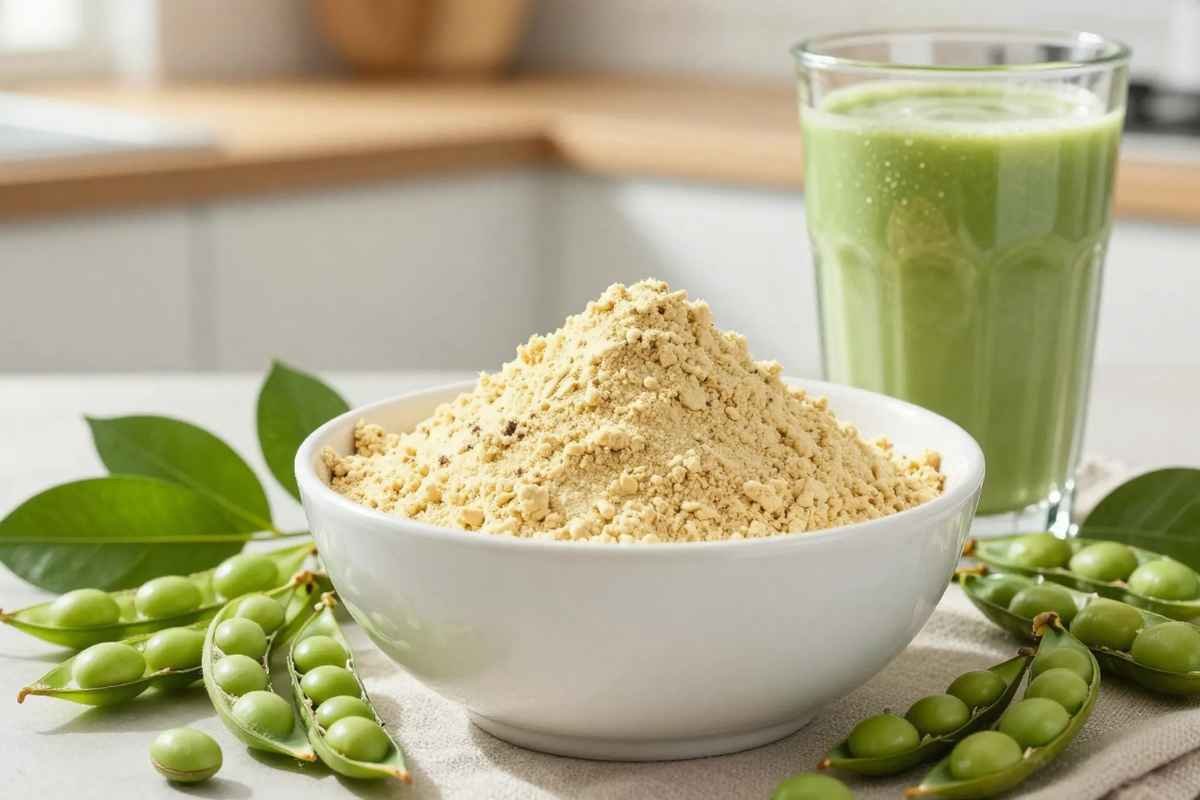
Insoya has emerged as a term bridging the gap between traditional soy nutrition and modern plant‑based wellness.
People searching for this topic often want to understand its nutrition value, health benefits and how to use it in their meals or lifestyle.
This article dives deep into what it means, why it’s gaining attention, how it compares to other proteins and how you can use it today.
What Is Insoya: Origins and Modern Context!
Insoya refers broadly to soy‑derived nutrition products that emphasize complete protein, digestibility and modern wellness relevance.
Traditionally, soy has been a staple in East Asian diets for centuries, appearing in foods like tofu, tempeh and soy milk.
Modern formulations like Insoya build on this legacy by optimizing nutrient retention and making soy easier to incorporate into daily nutrition planning.
In some interpretations, it also represents a lifestyle approach that pairs plant‑powered eating with mindful health habits rather than just a specific food item.
Nutritional Profile of Insoya
Compared with typical plant foods, It is designed to be rich in essential nutrients while remaining low in fat and carbohydrates.
Macronutrients
A representative Insoya protein powder often contains (per 30g serving):
| Nutrient | Approximate Amount |
| Protein | 24–26g |
| Calories | 110–120 kcal |
| Carbohydrates | ~1g |
| Healthy Fats | ~0.5–1g |
| Dietary Fiber | ~2–3g |
| (Source: industry nutrition snapshots) |
This high protein alongside minimal calories makes it appealing for people focused on lean muscle, weight management or plant‑forward diets.
Micronutrients and Bioactive Compounds
It may also contain:
- Iron
- Calcium
- Isoflavones — plant compounds linked to antioxidant functions
- Probiotic cultures (in fermented forms)
Its complete amino acid profile positions it similarly to animal proteins for muscle repair and metabolism.
Health Benefits: What Science Suggests
1. High‑Quality Protein
It provides all nine essential amino acids, helping support muscle growth, tissue repair and metabolic health.
2. Heart Health
Replacing saturated fats with plant protein like it can help lower LDL (“bad”) cholesterol, which is linked to a reduced risk of cardiovascular disease over time.
3. Bone Support
Plant protein enriched with calcium and magnesium supports bone strength and density, especially important for people following vegetarian or vegan diets.
4. Digestive Wellness
The fiber content and, in some fermented varieties, probiotic elements help maintain regular digestion and a balanced gut microbiome.
5. Satiety and Weight Management
High protein and fiber contribute to feelings of fullness, which can help control calorie intake and reduce unnecessary snacking.
How to Use Insoya in Daily Diets
Insoya’s mild flavor and versatile texture make it easy to include in everyday meals.
Meal and Snack Ideas
- Smoothies & Shakes: Blend with fruits, greens or plant milk for a nutrient dense drink.
- Protein‑Rich Baking: Add to pancakes, muffins or energy bars for added protein.
- Savory Dishes: Stir into soups, stews, sauces or grain bowls.
- Ready‑to‑eat Snacks: Mix into trail mixes or snacks for a protein boost.
Using 20–30 grams per day is a common approach for many adults aiming to balance protein goals without overloading calories.
Insoya Products: What’s Available Today?
It appears in a number of formats on the market:
- Protein Powders & Supplements (unflavored, flavored)
- Functional Beverages and Milks
- Prepared Snacks and Nutrition Bars
- Meat Alternatives such as soy‑based burgers or nuggets
- Fortified Foods with added micronutrients
Health‑food stores, online retailers and even mainstream supermarkets carry these forms, often with labels like “complete plant protein” or “high‑digestibility soy protein.”
Insoya vs Other Protein Sources
| Feature | Insoya | Whey Protein | Pea Protein |
| Amino Acid Profile | Complete | Complete | Moderately Complete |
| Digestibility | High | Medium‑High | Medium |
| Lactose Free | Yes | No | Yes |
| Plant‑Based | Yes | No | Yes |
| (Data synthesized from industry comparisons) |
It stands out for being fully plant‑based, dairy‑free and gentle on digestion — traits that make it useful for lactose‑intolerant individuals and those seeking sustainable alternatives.
Potential Risks and Considerations
While highly nutritious, a few points are worth noting:
- Allergies: Soy is a common allergen; people with soy allergies should avoid it.
- Phytoestrogens: Contains isoflavones, which have mild estrogen‑like activity — usually safe in moderate amounts.
- Highly Processed Forms: Some products may contain additives or flavors that weaken health benefits. Always check labels.
Environmental and Sustainability Impact
Soy, as a crop, uses less water and land than animal protein and generates fewer greenhouse gases, positioning plant‑based sources like Insoya as environmentally friendly alternatives within sustainable diets.
Conclusion
Insoya represents a modern evolution of soy‑based nutrition; one that blends high‑quality plant protein with digestibility, micronutrient density and practical culinary uses.
Whether you’re an athlete, someone focused on wellness or simply exploring plant‑based options, Insoya offers a compelling, versatile way to boost your protein intake while aligning with sustainable living goals.
As plant‑powered diets become more mainstream, Insoya’s combination of nutrition, ease of use and environmental benefits make it a food worth exploring as part of a balanced lifestyle.
FAQ’s
What exactly is Insoya?
Insoya refers to soy‑derived nutritional products focused on delivering high‑quality plant protein and micronutrients in a digestible form, often used in powders, shakes or snacks.
How is Insoya different from regular soy products?
It often undergoes controlled processing or fermentation to enhance nutrient absorption and reduce compounds that can impede digestion.
Can Insoya help with muscle building?
Yes. Its complete amino acid profile and high protein content support muscle repair and recovery when paired with resistance training and adequate calories.
Is Insoya good for weight management?
Because it’s high in protein and fiber yet low in calories, it can contribute to feelings of fullness and help regulate appetite as part of a balanced diet.
Are there any side effects?
Most people tolerate it well, but those with soy allergies should avoid it. Very high intake without variety may lead to digestive changes.
How should I include Insoya in meals?
Add it to smoothies, soups, baked goods or use it as a protein powder in shakes — its mild taste blends well with many foods.