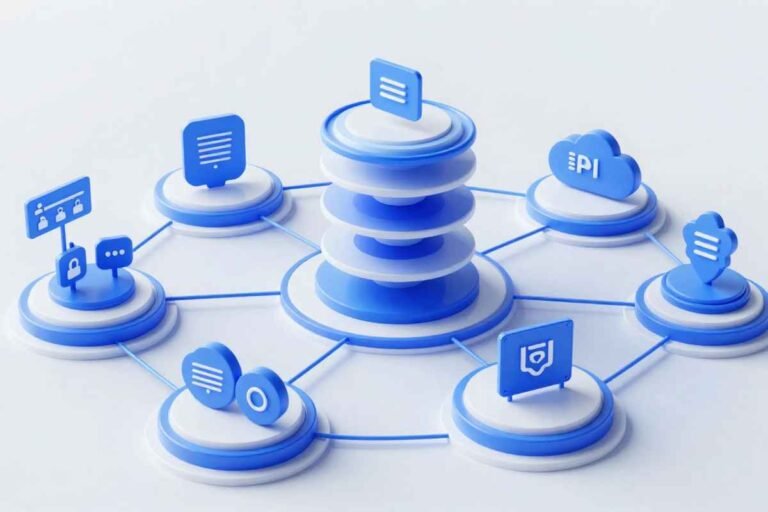
In simple terms, frehf refers to a conceptual digital framework designed to simplify complex online tasks and workflows. Instead of overwhelming users with complicated interfaces or long procedures, this approach focuses on clarity, structured steps, and efficient processes.
The idea is straightforward: make digital systems easier to use while maintaining productivity and scalability.
As businesses, startups, and individuals rely on more digital tools than ever before, managing tasks efficiently has become a major challenge.
This is where the aforementioned concept becomes relevant. Organizing processes into manageable stages helps reduce confusion and improve productivity.
In this guide, we will explore what frehf means, how it works, where it can be applied, and why it is gaining attention in modern digital environments.
What Is Frehf?
A Simple Definition
Frehf can be understood as a digital workflow philosophy that transforms complicated processes into simple, easy-to-follow steps. The system emphasizes usability, efficiency, and adaptability.
Rather than forcing users to navigate complicated platforms, the framework prioritizes a clear structure where tasks are organized logically. This ensures that users — even those with minimal technical experience — can complete digital activities efficiently.
Frehf as a Workflow Optimization Framework
Although the term might sound like a specific tool, it is better understood as a framework for designing efficient workflows. The underlying concept encourages developers and organizations to build systems that are:
- intuitive
- modular
- adaptable
- data-driven
Consequently, teams can operate more efficiently without being slowed down by unnecessary complexity.
Key Characteristics of Frehf
Several characteristics define the approach:
- User-focused design – systems prioritize simplicity and usability
- Structured task flow – processes are broken into smaller steps
- Adaptable architecture – workflows evolve as needs change
- Efficiency-driven operations – unnecessary steps are removed
These attributes make the concept particularly attractive in modern digital environments where speed and clarity matter.
Origin and Evolution of the Term Frehf
Where Did the Term Come From?
Unlike established technologies such as cloud computing or machine learning, the origin of the term frehf is somewhat unclear. The phrase began appearing in online articles discussing digital productivity and workflow simplification.
While it is not linked to a single company or software platform, the concept gradually gained traction because it describes something many organizations are actively seeking: simpler ways to manage complex digital systems.
Growth Through Online Discussions
Interestingly, much of the term’s popularity comes from online communities and blogs rather than formal research publications. Writers began using the term to describe systems designed to simplify workflows.
As more articles referenced the concept, search interest increased. This created a cycle in which curiosity about the term continued to grow.
Evolution Into a Broader Digital Concept
Over time, frehf evolved into a broader idea representing a philosophy of digital efficiency. Today, it is commonly associated with three core values:
- simplicity
- integration
- intelligent decision-making
This broader interpretation explains why different articles describe it in slightly different ways.
Core Principles Behind the Frehf System
Most explanations of the concept revolve around three main pillars that support the entire framework.
Integration
Modern businesses often rely on numerous digital tools. Project management systems, analytics platforms, communication software, and databases all need to work together.
Without proper integration, workflows become fragmented. Data must be transferred manually, and teams struggle to coordinate their work.
The frehf approach emphasizes seamless integration between systems so that information flows smoothly across platforms.
Adaptability
Technology changes rapidly. Systems that work today may become outdated tomorrow.
Consequently, adaptability is essential. The framework encourages workflows that can evolve without requiring a complete redesign.
Flexible structures allow organizations to respond quickly to new challenges and opportunities.
Intelligence
The third pillar focuses on data-driven decision-making. Instead of relying on guesswork, organizations analyze performance metrics to improve their processes.
This intelligent approach enables teams to:
- identify inefficiencies
- optimize resource allocation
- predict future needs
Together, these principles form a powerful strategy for managing digital workflows.
How Frehf Works
Understanding how this concept operates requires examining its workflow structure.
Identifying the Core Objective
Every workflow begins with a clear objective. For example, a company might want to automate customer onboarding or simplify internal reporting. Defining the goal ensures that every step contributes to a meaningful outcome.
Breaking Tasks Into Smaller Steps
Once the objective is identified, the process is divided into smaller tasks. This makes complex projects easier to manage and reduces cognitive overload for users.
Removing Unnecessary Complexity
Many digital systems contain redundant steps. The aforementioned framework focuses on eliminating these inefficiencies. As a result, processes become faster and easier to follow.
Providing Clear Instructions
Users receive structured guidance that helps them move through each stage of the process. This minimizes errors and ensures consistent outcomes.
Delivering Actionable Results
Finally, the system presents results in a clear format. Teams can quickly evaluate outcomes and make adjustments when necessary.
Key Features of Frehf
Several features make the framework effective in modern digital environments.
Simplicity
The most important feature is simplicity. Instead of overwhelming users with technical details, the system presents tasks in a clear and intuitive format.
Faster Task Execution
By eliminating unnecessary steps, workflows become significantly faster.
Clear Guidance
Step-by-step instructions reduce confusion and help users complete tasks correctly.
Flexible Architecture
The framework can adapt to different industries and operational environments.
Scalability
Organizations can expand their workflows as they grow without creating chaotic systems.
Real-World Applications of Frehf
Although the concept is abstract, it can be applied across many industries.
Tech Startups
Startups often operate with small teams and limited resources. Simplified workflows help them manage multiple responsibilities efficiently.
SaaS Platforms
Software companies use workflow frameworks to automate processes such as:
- customer onboarding
- subscription management
- support ticket handling
Digital Marketing
Marketing campaigns involve numerous tasks, including content creation, analytics tracking, and audience engagement. Structured workflows ensure these activities remain organized.
Online Education
Educational platforms benefit from simplified processes for course creation, student enrollment, and performance tracking.
Enterprise Operations
Large organizations use workflow frameworks to coordinate internal processes like reporting, compliance management, and data analysis.
Benefits of Using Frehf
Implementing this workflow philosophy offers several advantages.
Improved Efficiency
Structured workflows reduce wasted time and streamline operations.
Reduced Complexity
Users interact with simplified systems rather than confusing interfaces.
Faster Task Completion
Processes are completed more quickly due to the elimination of redundant steps.
Better Collaboration
Clear workflows make it easier for teams to coordinate their work.
Increased Productivity
Organizations can achieve more with fewer resources.
Frehf vs Traditional Digital Systems
| Feature | Traditional Systems | Frehf Framework |
| Workflow complexity | Often complicated | Simplified |
| Flexibility | Limited | Highly adaptable |
| User experience | Technical and complex | Intuitive |
| Efficiency | Moderate | Optimized |
This comparison highlights why simplified workflow frameworks are becoming increasingly popular.
Challenges and Limitations
While the concept offers many advantages, implementing it can present challenges.
Integration With Legacy Systems
Older software may not integrate easily with modern workflow systems.
Learning Curve
Users must still learn how the system functions, even though it is designed for simplicity.
Organizational Resistance
Teams accustomed to traditional workflows may initially resist change. Gradual implementation and proper training can help address these challenges.
Future of Frehf
The future of workflow optimization will likely involve several technological trends.
Artificial Intelligence
AI systems will analyze workflows and recommend improvements automatically.
Automation
More digital tasks will become automated, reducing manual work.
Remote Collaboration
As distributed teams become more common, structured workflows will play a crucial role in coordination.
These developments suggest that simplified workflow frameworks will remain important in the years ahead.
Conclusion
The growing interest in frehf reflects a larger shift in how digital systems are designed. As organizations rely on increasingly complex technologies, simplified workflows become essential for maintaining productivity.
By focusing on integration, adaptability, and intelligent decision-making, this framework helps transform complicated processes into manageable steps.
Businesses, entrepreneurs, and individuals alike can benefit from clearer systems that reduce confusion and improve efficiency.
Ultimately, whether the term itself becomes widely adopted or evolves into new terminology, the underlying principle remains powerful: technology should simplify work rather than complicate it.
FAQ’s
What does frehf mean?
Frehf refers to a conceptual framework designed to simplify complex digital workflows by breaking them into clear, structured steps.
Is frehf a software tool?
No. It is better understood as a workflow philosophy rather than a specific software product.
Why is frehf trending online?
The term has gained attention because many articles describe it as a modern approach to simplifying digital systems and improving productivity.
Who can benefit from frehf?
Students, professionals, entrepreneurs, and organizations can apply the concept to manage digital tasks more efficiently.
How does frehf improve productivity?
Removing unnecessary steps and organizing workflows clearly, it allows users to complete tasks faster and with fewer errors.
Can companies implement frehf principles?
Yes. Businesses can design clearer workflows, integrate digital tools effectively, and optimize processes using the framework’s principles.