
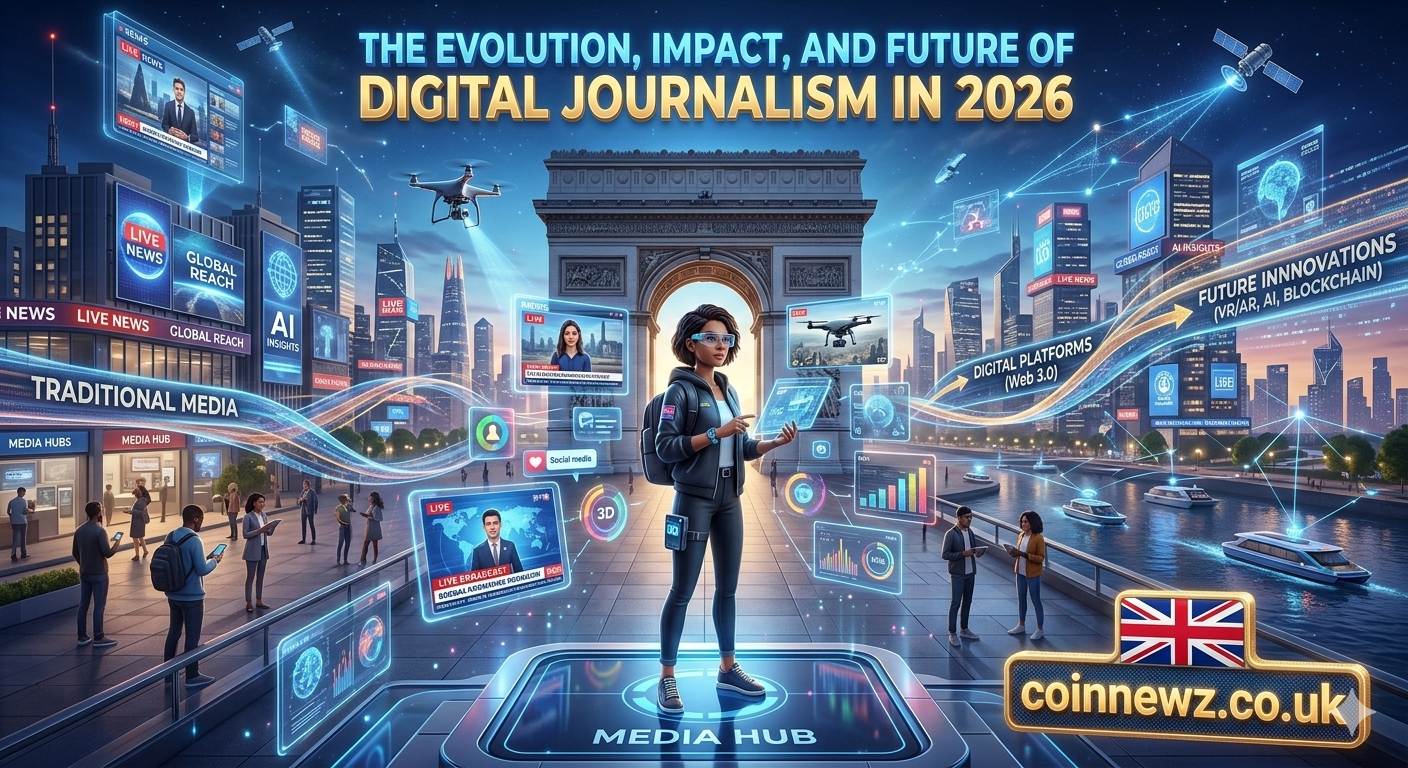
In today’s hyperconnected world, staying informed is no longer a luxury—it’s a necessity. From breaking headlines to in-depth investigative reports, news plays a central role in shaping public opinion, influencing decisions, and connecting communities worldwide. With the rapid growth of digital platforms, mobile devices, and social media networks, the way we consume information has transformed dramatically over the past decade.
This article explores the evolution of modern journalism, the influence of technology, the role of social media, the challenges facing media outlets, and what the future holds for global reporting.
The Evolution of Modern Journalism
Journalism has evolved from printed newspapers and radio broadcasts to 24/7 digital coverage. In the early 20th century, people relied heavily on daily newspapers and scheduled television bulletins. Today, real-time updates dominate our screens.
The digital transformation has reshaped how news is produced and distributed. News websites, blogs, podcasts, and video streaming platforms now deliver instant updates across the globe. With just a smartphone, anyone can access global headlines within seconds.
From Print to Digital Platforms
The shift from print media to digital platforms marked a turning point. Traditional outlets such as major newspapers invested heavily in online portals to remain competitive. Search engines and content aggregation platforms further amplified access to global events.
Digital publishing allows:
- Instant updates on breaking stories
- Multimedia storytelling (videos, infographics, podcasts)
- Interactive user engagement
- Global reach without geographic barriers
As a result, audiences expect faster reporting and constant updates.
The Role of Technology in Shaping News Consumption
Technology has revolutionized how readers engage with information. Artificial intelligence, machine learning, and data analytics now help curate personalized content feeds based on user preferences.
Smart algorithms analyze browsing behavior to deliver relevant news directly to readers. Push notifications, email newsletters, and social media alerts ensure audiences never miss major updates.
Mobile Journalism and Real-Time Reporting
Mobile devices have become the primary gateway to news consumption. Journalists now use smartphones for live streaming, capturing footage, and sharing updates instantly.
Benefits of mobile-driven journalism include:
- Immediate coverage of live events
- Faster audience engagement
- Increased accessibility in remote areas
- Greater citizen journalism participation
However, the speed of reporting also raises concerns about accuracy and fact-checking.
Social Media and the Rise of Citizen Journalism
Social media platforms have significantly influenced modern reporting. Platforms like microblogging networks and video-sharing apps enable individuals to share firsthand experiences during major events.
Citizen journalism has democratized information sharing. Eyewitness videos, live streams, and real-time commentary often reach audiences before traditional outlets publish official reports.
While this increases transparency, it also contributes to misinformation. Viral content spreads rapidly, sometimes without verification. Responsible reporting remains essential to maintain credibility.
The Power and Risks of Viral Content
Viral stories can amplify important issues, spark global conversations, and drive social change. However, they can also spread false narratives.
To combat misinformation, many organizations now implement:
- Fact-checking teams
- Editorial review processes
- Digital literacy campaigns
- AI-powered misinformation detection tools
Balancing speed with credibility remains one of the biggest challenges in the media landscape.
Challenges Facing the Modern News Industry
Despite technological advancements, the news industry faces several pressing challenges.
Declining advertising revenue has forced many outlets to adopt subscription-based models. Paywalls, membership programs, and sponsored content have become common strategies to sustain operations.
Additionally, misinformation, political polarization, and audience distrust present significant obstacles. Readers increasingly demand transparency, unbiased reporting, and ethical journalism practices.
Cybersecurity threats also pose risks. Media organizations frequently face hacking attempts and digital attacks aimed at disrupting reporting or manipulating narratives.
Maintaining Trust and Credibility
Trust is the foundation of journalism. Without credibility, even accurate reporting loses impact.
To rebuild trust, media outlets focus on:
- Transparent sourcing
- Clear editorial policies
- Ethical reporting standards
- Open corrections and accountability
Quality journalism prioritizes truth, context, and responsible storytelling.
The Future of Global Reporting
Looking ahead, the future of journalism appears both promising and complex. Emerging technologies such as augmented reality (AR), virtual reality (VR), and AI-generated summaries will likely enhance storytelling experiences.
Personalized news feeds will continue evolving, offering tailored content based on individual interests. However, maintaining diversity of perspectives remains critical to prevent echo chambers.
Sustainability models may shift further toward reader-supported platforms. Subscription services, crowdfunding, and nonprofit journalism initiatives could reshape the financial landscape of media organizations.
Importantly, ethical standards must remain at the forefront as automation increases. AI tools may assist in writing and data analysis, but human oversight ensures accuracy, nuance, and empathy.
The demand for reliable news will continue growing as global events become more interconnected. Climate change, technological innovation, political shifts, and economic developments require thorough and responsible coverage.
FAQ’s
What is the importance of digital journalism today?
Digital journalism ensures instant access to information, real-time updates, and global connectivity, making it easier for people to stay informed.
How has social media changed news consumption?
Social media allows faster sharing of updates and enables citizen journalism, but it also increases the risk of misinformation.
Why is credibility important in journalism?
Credibility builds trust with audiences and ensures that information is reliable, accurate, and responsibly reported.
What challenges do news organizations face?
They face declining advertising revenue, misinformation, cybersecurity threats, and audience trust issues.
What is the future of the news industry?
The future includes AI-driven personalization, immersive storytelling technologies, and sustainable subscription-based business models.
Conclusion:
The landscape of journalism continues to evolve at an unprecedented pace. Technological advancements, social media platforms, and shifting audience expectations have transformed how information is created and consumed. While challenges such as misinformation and declining revenue persist, innovation and ethical practices offer pathways forward.
As readers, staying informed through credible sources remains essential. The ongoing evolution of news reflects not only technological progress but also society’s enduring need for truth, transparency, and meaningful storytelling.